Little Chick: A Handwritten Font for Authentic Creative Projects
There’s a particular feeling that jumps off the page when a design feels genuinely personal. It’s a warmth that sterile, geometric typefaces often can’t replicate. In a digital world saturated with perfect lines and predictable layouts, a touch of human imperfection can be a powerful differentiator. This is where the right creative font becomes not just a choice, but a strategy. Little Chick is a handwritten font designed to deliver exactly that authentic, playful character. It’s not trying to be a formal serif font or a clean sans serif font; it’s a display font with a distinct personality—cute, approachable, and full of life.
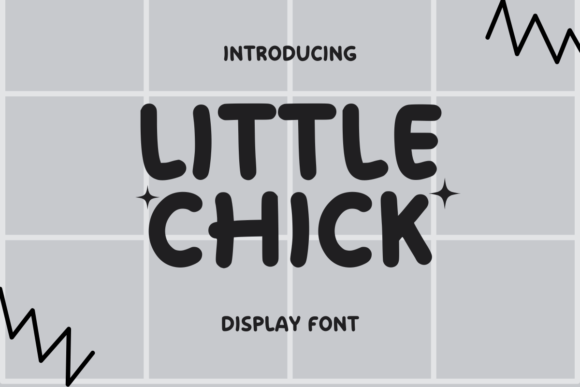
At its core, Little Chick is a premium font built for connection. Its letterforms mimic the natural, slightly uneven strokes of a pen or marker, giving text a handmade quality. The style leans into a modern, casual aesthetic. You’ll notice rounded edges, playful bounces in the baseline, and a consistent weight that feels friendly without being childish. This isn't a script font that demands to be read slowly; it’s a handwritten font that maintains good readability at headline sizes while injecting immediate personality. The overall appeal is one of approachability and creativity, making it a valuable addition to any designer’s toolkit of design assets.
Where This Font Truly Shines
The strength of a typeface like Little Chick lies in its application. It’s a specialist, not a generalist. Using it for long body copy would be a mistake, but deploying it strategically can elevate a project from generic to memorable. In brand identity work, it’s perfect for businesses that want to project a welcoming, artisanal, or youthful image. Think of a local bakery’s logo, a children’s boutique, or a creative workshop’s branding. The font instantly communicates a hands-on, personal touch that a standard corporate font cannot.
For packaging design, Little Chick can be transformative. Imagine it on the label of a homemade jam, a craft beer, or a line of organic skincare. It tells a story of small-batch care and authenticity. In the realm of editorial design, it works beautifully for magazine pull quotes, chapter titles in a lifestyle cookbook, or section headers in a blog about DIY projects. The key is using it as an accent—a focal point that draws the eye and sets the tone.
Digital applications are equally strong. As a web design element, it can be used for impactful hero text on a homepage, calls-to-action for a creative service, or headers for a portfolio site for an artist or photographer. Its playful nature makes it a natural fit for social media graphics, especially for quotes, announcements, and story templates where engagement is paramount. For entrepreneurs and small business owners, it’s a tool to create marketing materials that feel human and relatable, from email newsletter headers to promotional flyers.
Making the Most of Little Chick in Your Work
Integrating any display font into a project requires thoughtful execution. First, consider the font pairing. Little Chick’s casual, handwritten style pairs best with clean, neutral typefaces for body text. A simple sans serif like Lato, Open Sans, or Montserrat provides excellent contrast and ensures readability. This pairing creates a clear visual hierarchy: Little Chick grabs attention for headlines and key phrases, while the supporting font delivers the detailed information comfortably.
Before committing, always test the font in context. Check its readability at the sizes you intend to use. While it’s designed for display, ensure the letterforms are distinct enough for your specific application, especially in shorter words or on complex backgrounds. Review the full character set. Does it include the punctuation, numerals, and language support you need? A complete premium font package will offer this versatility.
Licensing is a critical, practical step. If your project is for a client or for commercial sale, you must verify the font’s license covers commercial use. Using a commercial font correctly protects you legally and supports the type designers who create these tools. For personal projects like a family recipe book or a hobby blog, the requirements might differ, but clarity is always best.
Ultimately, the decision to use Little Chick should be driven by your project’s goals and audience. Does your brand identity need to feel more approachable? Does your logo design require a touch of whimsy? Does your marketing collateral need to stand out with a human element? If the answer is yes, then this handwritten font is more than a decorative choice—it’s a strategic asset for creating meaningful connections in your design work.